A good story transcends the medium it’s a part of and some of those this year have been quite literally stellar.
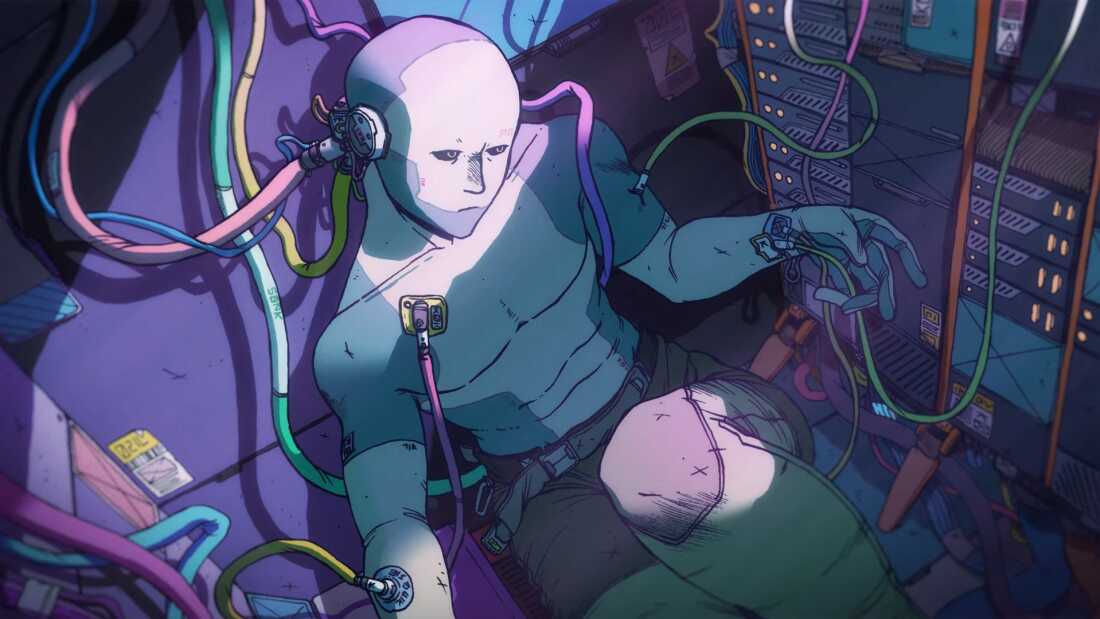
Winner: Citizen Sleeper 2: Starward Vector
Citizen Sleeper is always a story about living under capitalism. You play a “Sleeper,” an android housing an emulation of the mind of someone who sold themselves into labor to pay off a debt — how could it be about anything but capitalism? Where the first game was an effective allegory for the struggles of existing as a disabled person, Starward Vector is about the gig economy and the difficulties of existing within it. Taking on odd jobs isn’t enough to afford the necessities when your home is a ship and you’re on the run. You need to find bigger jobs with good payouts. Fuel and supplies are needed for the long trips between stations and the long hours on salvage jobs, multi-day affairs that take considerable effort to pull off while under time pressure and other extenuating circumstances that can complicate matters. It’s a challenge to stay afloat. Cash goes quickly due to all the travel, but you can’t stay any one place for long lest your pursuers catch up. The pressure is constant and exhausting. You can’t settle anywhere and rest — or if you can, then not for long.
While the story isn’t drastically different from the last game in many ways — you’re still on the run from someone seeking ownership of you; you’re still struggling with the maintenance of your body, albeit in a more complicated matter than before — but it is still very compelling. Starward Vector raises the stakes by placing a central plot involving the leader of a gang you used to work for and the destruction of an entire space station rather than jump between a series of smaller character-focused stories that contribute to a lager thematic core, but the moment to moment beats still resonate. It’s still a story about community and found family, finding your place in the world and building something better and it still hits as strongly as its predecessor.
The larger conflict and the mysteries surrounding it make it more thriller than a sort of slice-of-life adventure, but the shift in focus comes together well, ending on a hopeful if uncertain note. It’s a good contrast to the finality of the first game’s endings, where each one was committing to what the Sleeper’s life would be going forward, whether aboard the Eye or taking their chances elsewhere. Starward Vector instead chooses to be vague: you have your crew — your friends — and plenty of spaces to call home should you want to. Options aplenty lay before you. But it’s less an end and more of a proper beginning. Which makes it the perfect end for Citizen Sleeper as a whole.
– Callum Rakestraw
Runner Up: The Drifter
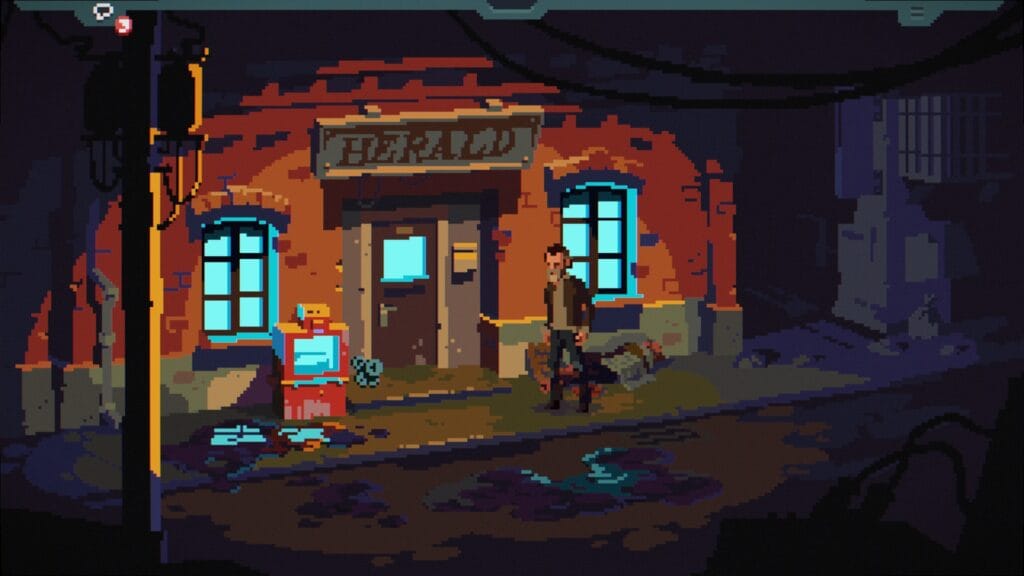
With so many point-and-click adventures floating around these days it’s often difficult to stand out from the crowd, but The Drifter manages to thanks to its combination of great voice acting, interesting premise of you playing a homeless man, and a narrative which at first hides its science fiction elements. The game is also very Australian and that helps to give it a relatively unique slant, combining the sci-fi inspirations with aspects of pulp thrillers. It also helps that the pixel art visuals are top notch.
– Gareth Brading