The myth of Theseus and the Minotaur is one of the most enduring from Greek mythology. I remember I first learned it as a child from an illustrated picture book which recounted some of the most popular myths including Pandora’s box, Perseus and Medusa, and of course the Trojan War as recounted in Homer’s The Iliad. In the classic telling of the myth, King Minos of Crete forced the people of Athens to send 14 young citizens (7 women and 7 men) into the labyrinth as sacrifice to the Minotaur, as punishment for the death of King Minos’s son, Androgeus. Eventually, Athenian Prince Theseus was the hero who managed to slay the Minotaur, thanks to the help of Minos’s daughter Ariadne, who gave him a ball of twine so he could navigate the labyrinth. The Minotaur himself is often not discussed except as a monster, but he did have a name; Asterion, also known as Asterius.
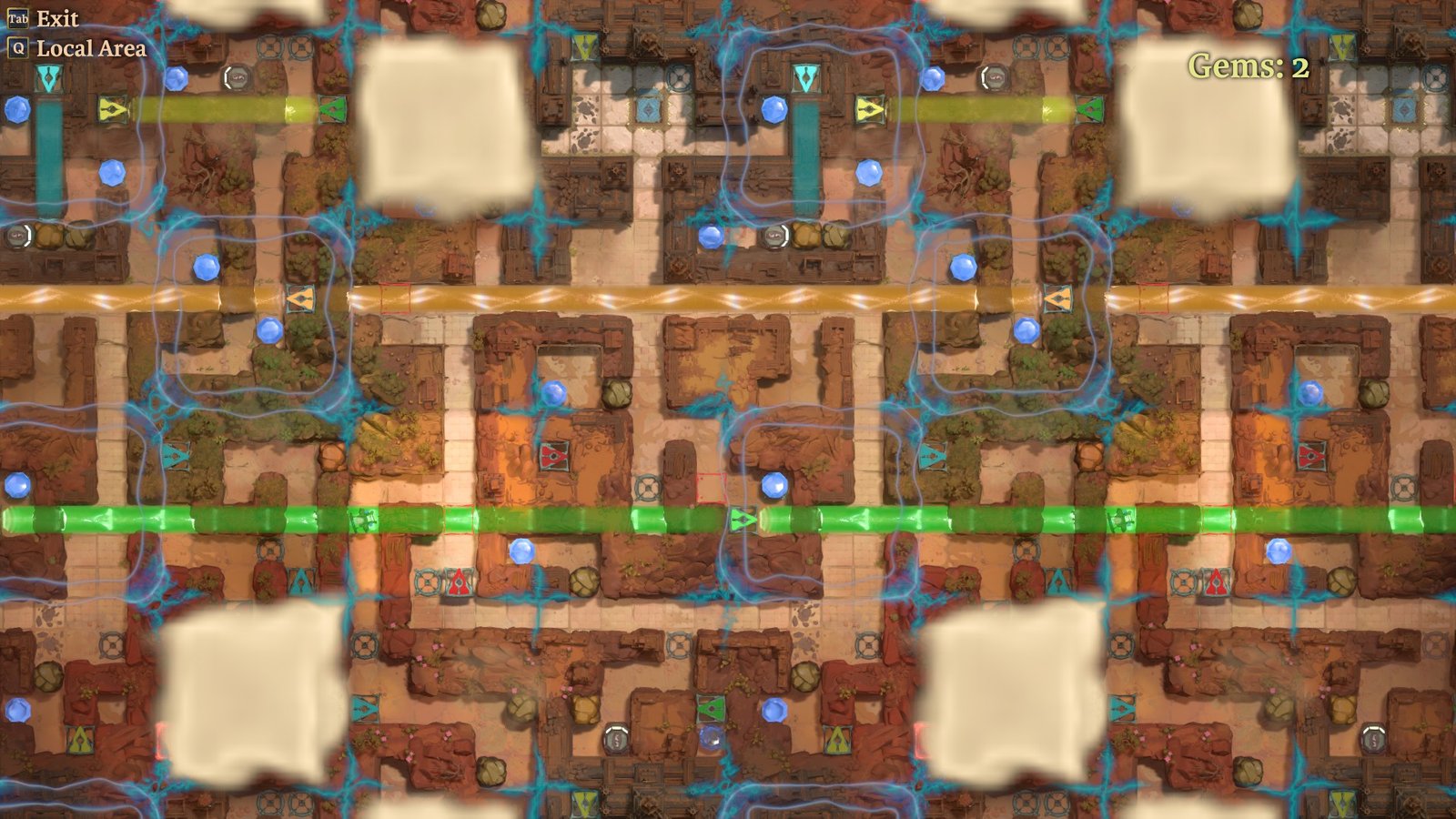
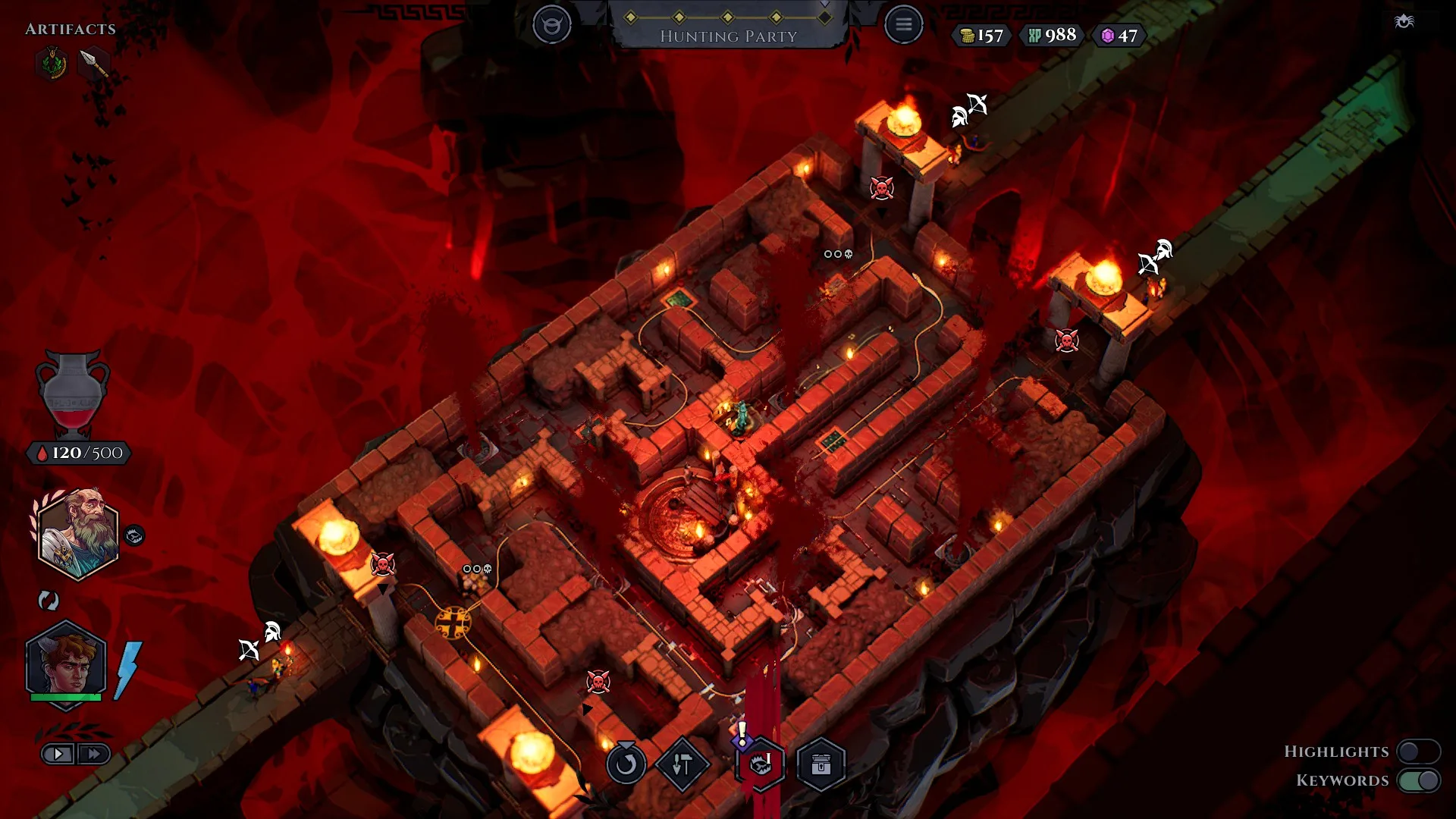
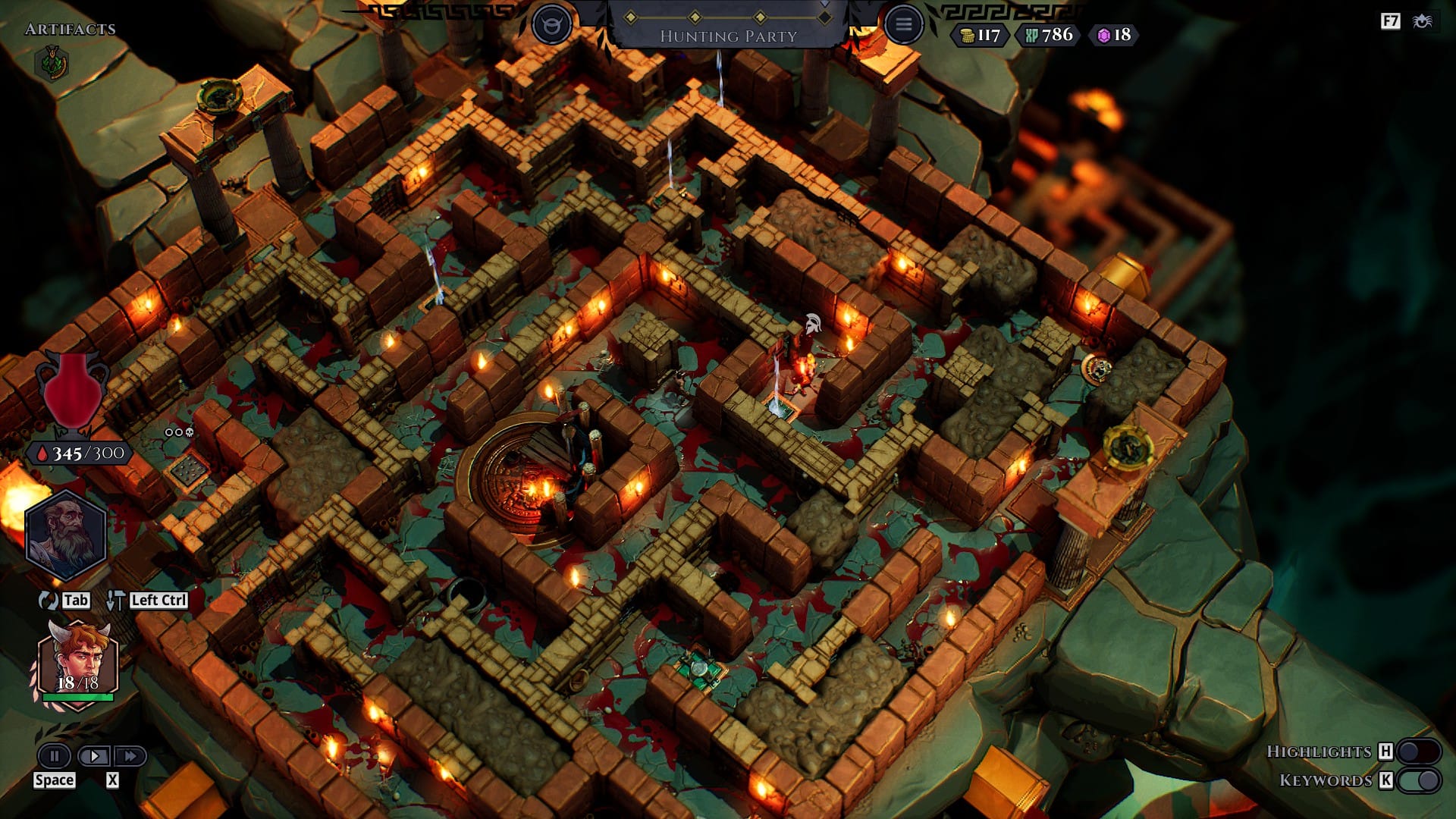
MINOS is a game which puts you in Asterion’s shoes (or hooves), descending into the labyrinthine depths as you lay traps for the countless adventurers seeking your end. The gameplay is a mix of tower defence with various roguelike and puzzle elements, accompanied by some great voice acting as a nice overarching story. As Asterion, you’re aided by labyrinth designer Daedaleus to construct the most fiendish maze of traps to corner any intruders. Each level gives you a new labyrinth to create, with many immovable objects (some of which, like rubble can be removed by using a limited pool of stamina), but also an unlimited budget of walls to place. There are a set number of trap locations in a labyrinth, and you only have a finite number of traps to place down.
Things start off relatively easy, but quickly ramp up in difficulty. Many traps can only activate once per round, with the action phase being when the adventurers are navigating the maze and the planning phase being your strategic overview and opportunity to edit the route (which gives you unlimited time before you hit go). Explorers enter the maze from different start points, and all must have an ostensibly viable route to the centre and Asterion’s lair. However this route should be as complicated and trap-laden as possible, with the idea that if you’ve laid everything out correctly, all the traps should allow you to kill all the enemies before any of them reach the centre. In a pinch Asterion can fight, but he’s weak at first before you sufficiently upgrade him and if surrounded can be easily overwhelmed.
The puzzle comes from deciding which traps to use, where to place them, and how to ensure that all explorers are slain in the process. The winding spike trap for example only activates on the third enemy to step on it, meaning at least 2 other people must first walk by before it will do anything. The fire trap gradually depletes health over a set time period, but archers are strong against fire. The boulder trap can roll for a long distance and build up damage in the process, but if it encounters an armoured enemy it will be destroyed. Lure traps can tempt people into dead ends, injuring or killing them. There’s so much variety and so many different trap combinations, and every round you’ll usually be unlocking something new you’ve never seen before.
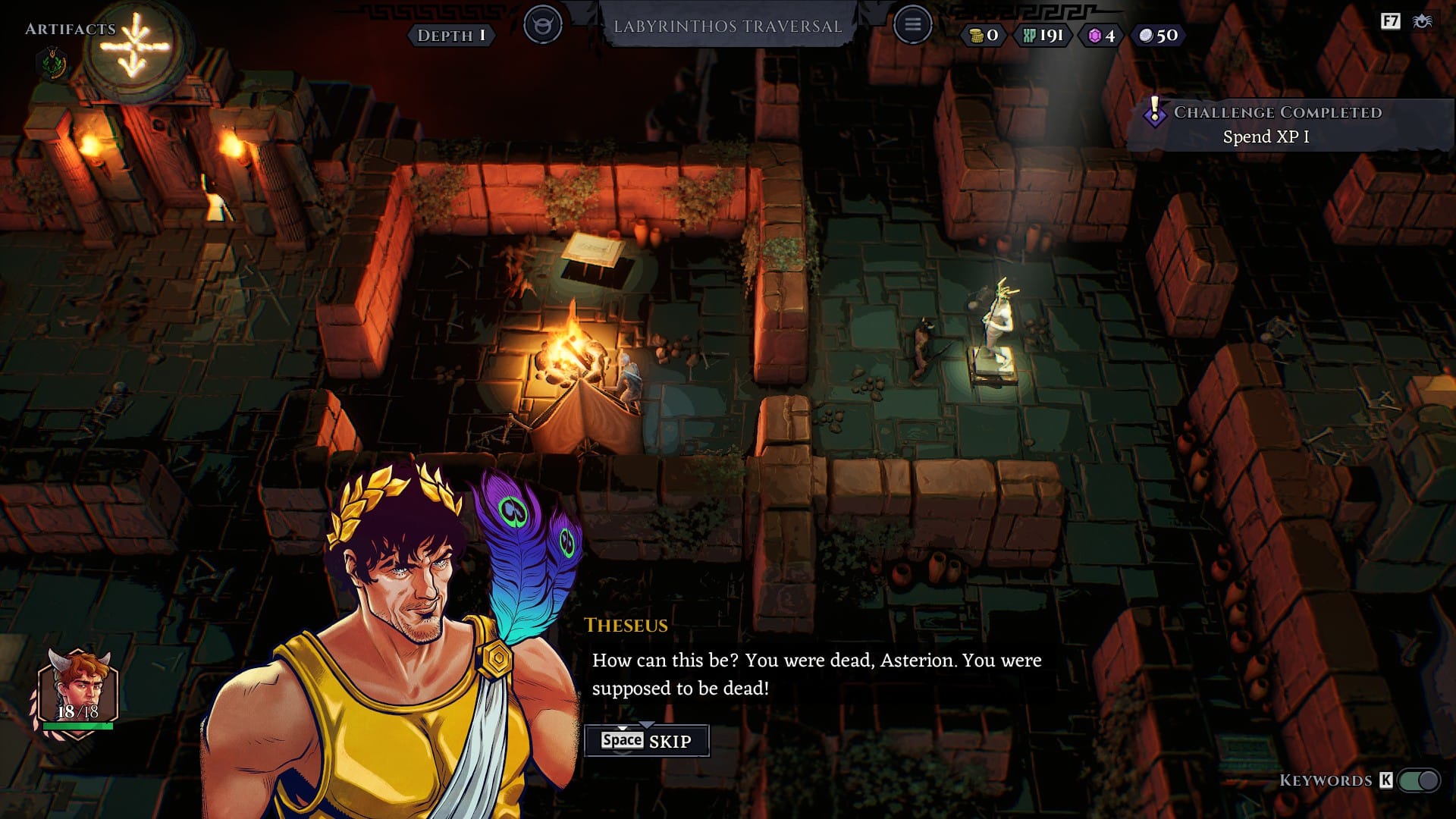
Kill enough foolhardy adventurers, and you’ll be able to do a blood sacrifice to unlock an additional trap or upgrade, and each round on the same labyrinth will increase the number of adventurers journeying forth. Between the tower defence rounds there’s some downtime where Asterion can explore a small, peaceful labyrinth, rest up at the campfire, pick up some upgrades, talk to characters such as Daedalus and improve his own stats. These both make him stronger in combat but also give you a leg up when starting a new level, as well as unlocking more complicated and stronger trap varieties.
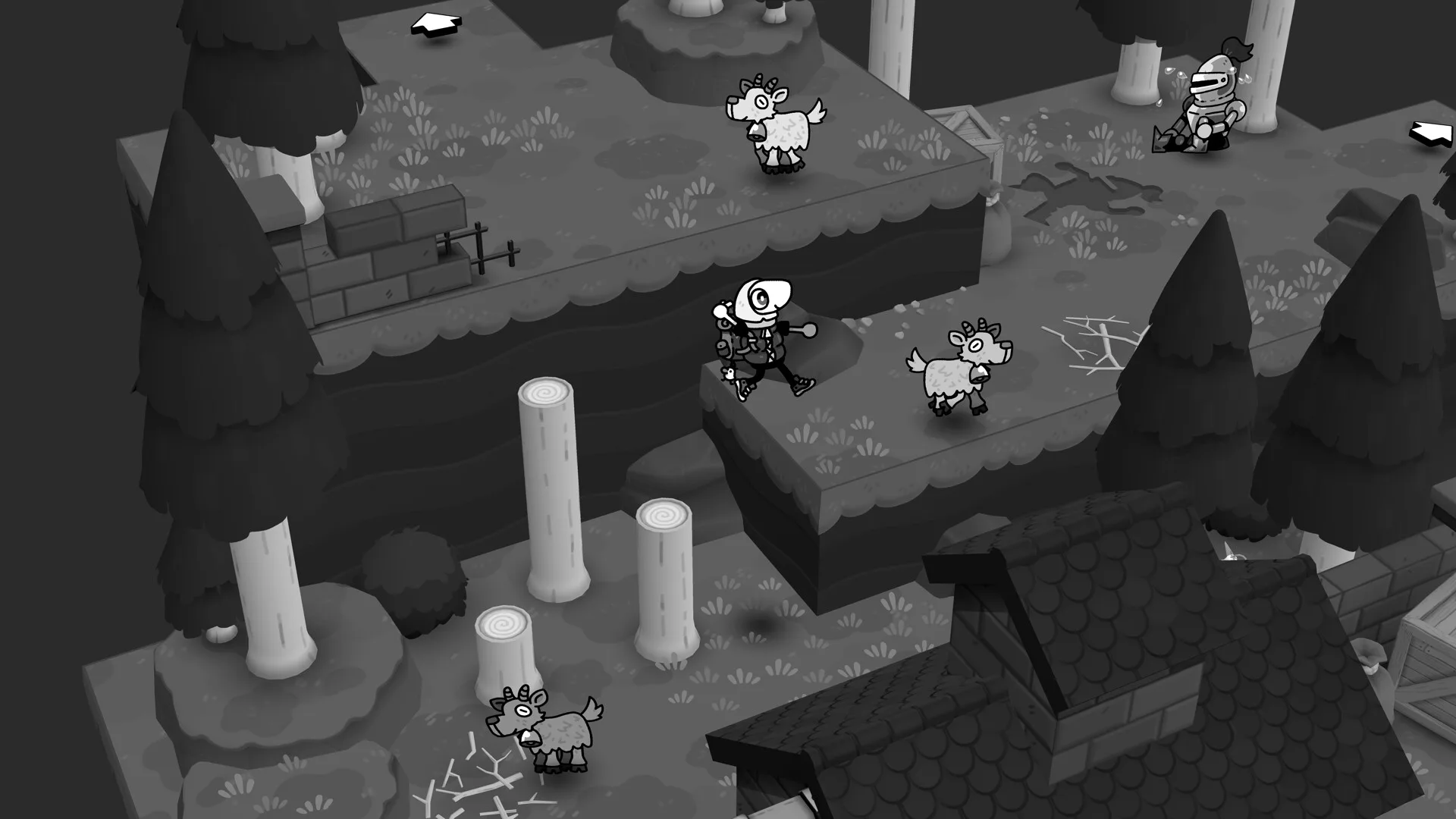
Although the story isn’t front and centre it is nonetheless quite involving, with Asterion seeking vengeance for his imprisonment as well as learning how he came to be locked away. It also has some great voice acting throughout along with comic-book character pictures which absolutely are inspired by Hades and Hades II. Indeed some of the roguelike elements also take inspiration in that regard. Visually it’s nicely detailed and played from an isometric perspective but with a free camera, allowing you to zoom in close to watch the adventurers being lured to their doom. While you have control to move Asterion around, a lot of the time you shouldn’t need to if you’ve planned the maze effectively.
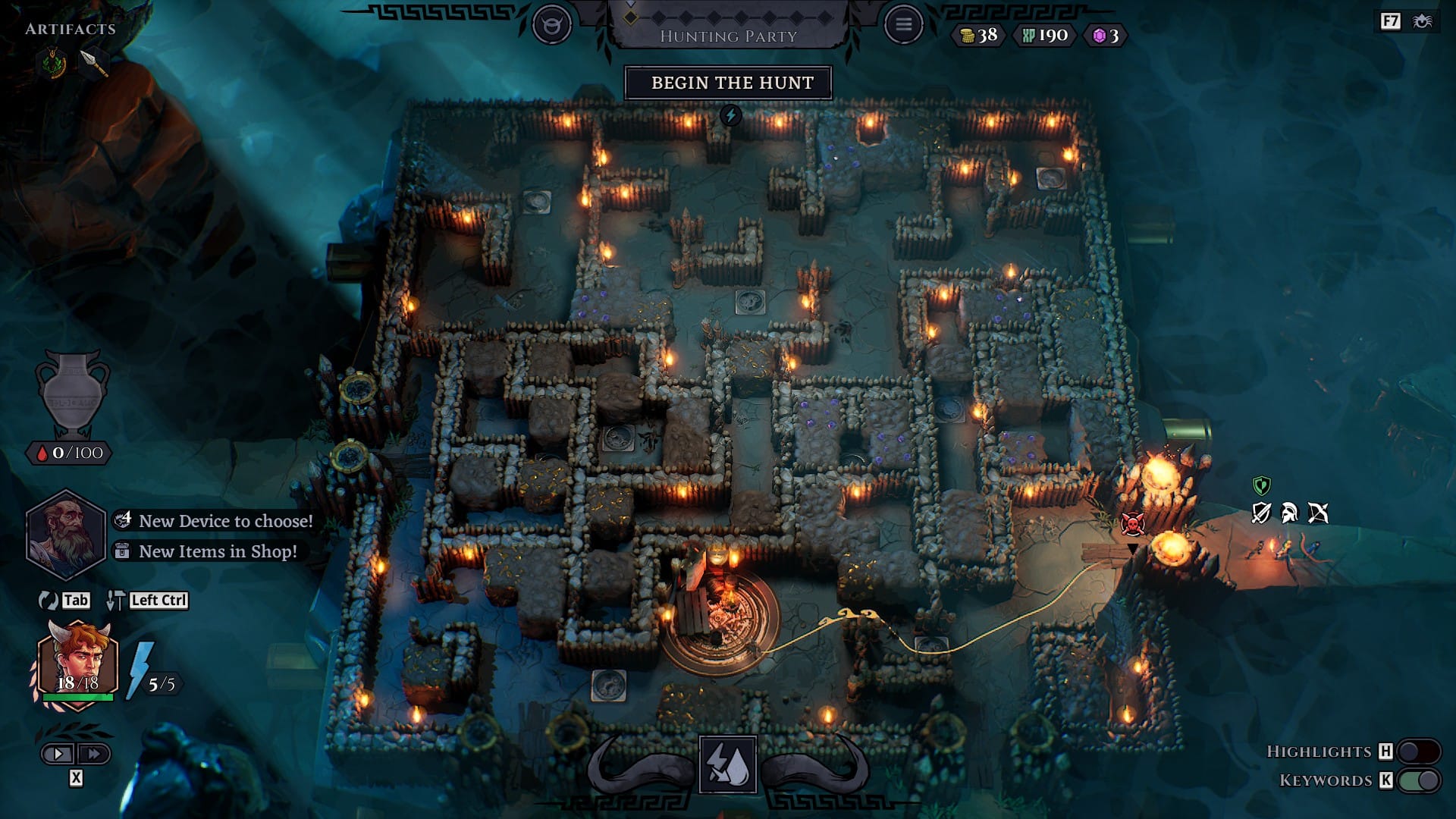
MINOS is a really great puzzle and tower defence game to make the world’s most devilishly diabolical labyrinths, and which can be very satisfying to watch if you’ve managed to construct a perfect Heath Robinson/Rube Goldberg murder machine. It’s great to see a spin on tower defence which hasn’t really been done before, and the curve of gradually upgrading Asterion alongside the lethality of his foes means you’ll rarely be replying the same level over and over. If you want a little taste before diving in, it’s worth mentioning MINOS: Home A-Labyrinth is a Christmas version of the MINOS demo very pointedly riffing off Home Alone, which is available for free as a standalone game. A-maze-ing.