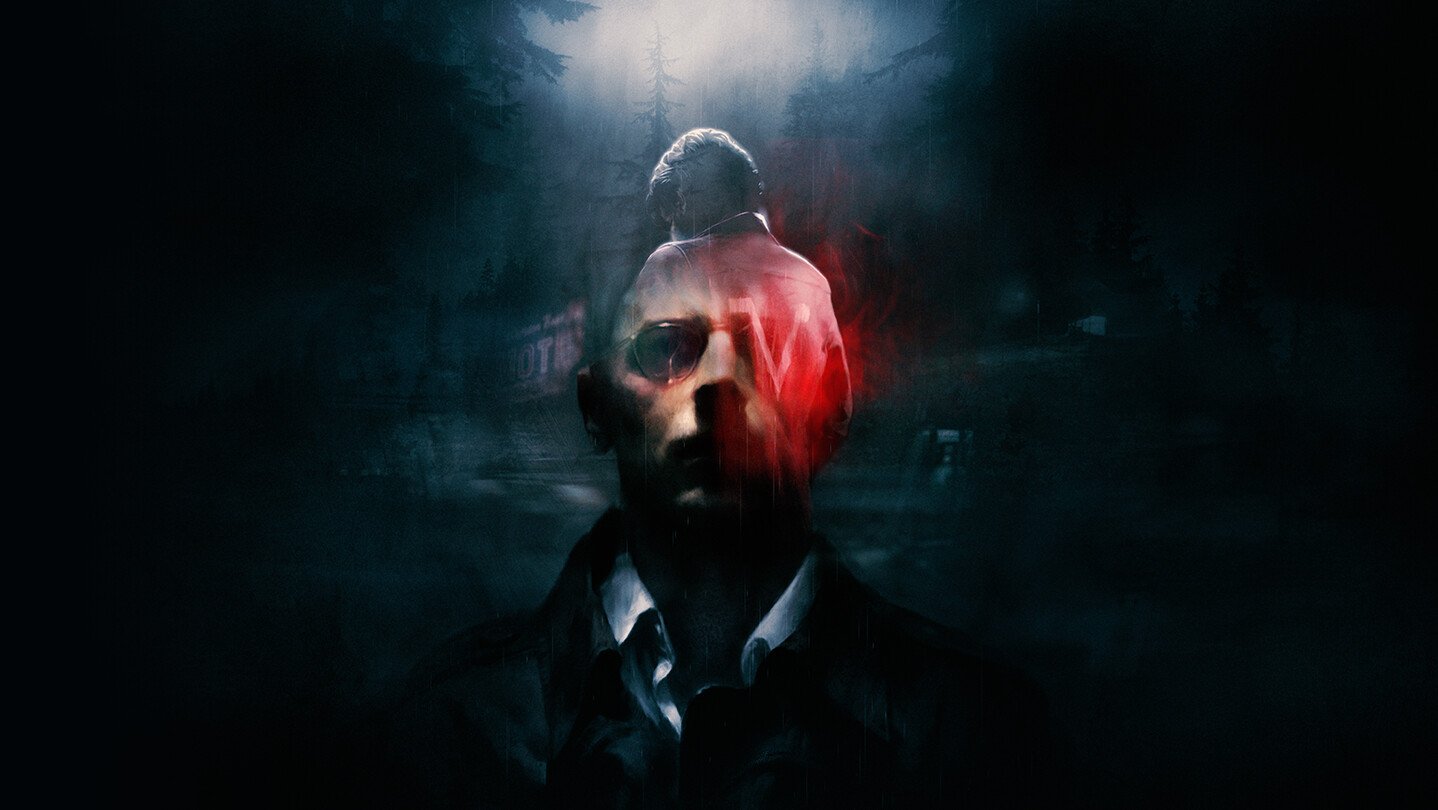
Coming in from independent game studio Wych Elm Games, Silver Pines is a horror sidescroller game in the vein of Silent Hill, with a healthy dose of Twin Peaks to sweeten the mix. In it, you play as an unlucky P.I who makes his way to the sleepy small town in search of a person, for a shadowy client who eggs him on with every payphone call. Hey, it’s 1993, what can you do but fill your pocket with change?
The whole vibe of the game is excellent, throwing you right into a mystery very much worth looking into, as the questions keep piling up, with the most obvious being: is the main character just crazy? Well, for a guy who knows his way around guns and seems to be a capable detective, he doesn’t seem very much prepared for what’s ahead of him as he explores the decrepit alleys and run down buildings of a town that’s about to get hit by the worst storm of the decade.
It’s a good excuse to make the whole place seem abandoned, or as empty as a spooky place like that can be, since not only is it packed with hideous monsters akin to Silent Hill’s mannequins, but also incredibly unreliable humans who seem to be very blazé about the whole thing. It’s what makes the whole deal seem even weirder, but all things considered, you wouldn’t want to play this if it was a straightforward investigation game, I guess.
As far as that side of business is concerned, Silver Pines does it damn well. You control poor Walker – that’s the name of the protagonist before you ask – from side to side, with a map system that’s akin to Metroid and post-Symphony of the Night games. Hence it’s part of the-genre-that-shall-not-be-named. Lots of spots are beyond reach until you find specific items, like crowbars to smash planks, a razor to cut down plastic sheets, or a flashlight to show the way in the dark. Sadly, no hookshot or Screw Attack this time.
All jokes aside, while the combat can take a while to get used to, since our friend isn’t nearly as nimble as Samus or Alucard, it’s quite a manageable survival horror experience. There are just enough items to make due, and since you can pick up and use coins to buy more in machines scattered throughout town, there are only a handful where the game punishes you for not saving up on stuff. Mostly during the boss fights, which are hands down the weakest part of the experience, since some of them, like the monster in the apartment building, is just plain broken.
Then again, you’re able to save pretty much whenever you find a payphone and have a dollar, making the annoyance of having to trek back to fights not as painful as it could’ve been. It’s cool that it borrows that limited element of saving that was born in the Resident Evil games and makes it its own thing, having Walker call back on what he’s doing whenever you load back in, just to make sure you’re not lost. It’s definitely a neat touch.
For a game where you have to backtrack a lot, Silver Pines has another neat feature. Shortly after starting your run, you’re given a Polaroid camera with which you can take pictures of just about anything, instantly pinning it to your map as a reminder of whatever you deem necessary. Prince of Persia: The Lost Crown had a similar system and it’s quite useful here as well, for when the automatic notes aren’t enough.
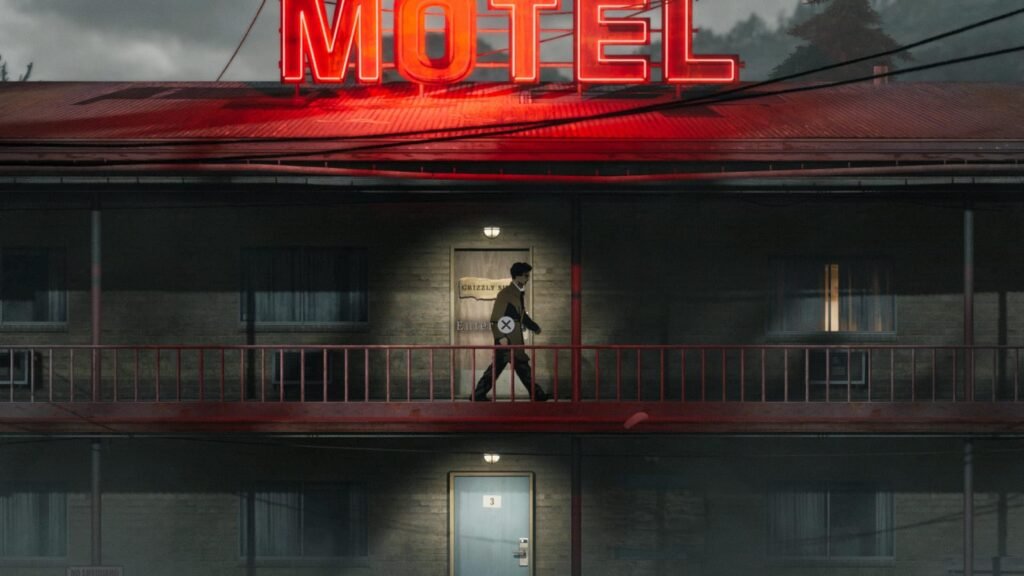
I also love the game’s presentation. Characters are presented as rotoscoped photos drawn over, giving our main guy in particular an especially eerie type of movement that weirdly fits in well within the otherwise realistic looking environments. The creatures are also creepy, presented in a way without denoting a whole lot of detail, leaving a lot to the imagination. And hey, there’s a cat that not only can you talk to but pet, not just once, but a few times. So by that measure, it’s even more immersive to me, who does the same with mine on a regular basis.
Silver Pines is the sort of game that’s unassuming to anyone looking in, but those that take the plunge and check it out are sure to enjoy what it has on offer. It’s not a particularly long game, either, and for those looking for replay value, you’re able to pick from higher and higher difficulty settings, as well as having the chance to go for a no-save (hence, no-death) run if you’re feeling cheeky. For the one playthrough crowd, though, it’s a satisfying history with some good hooks to keep you going ‘til the end and find out just what the heck is going on.