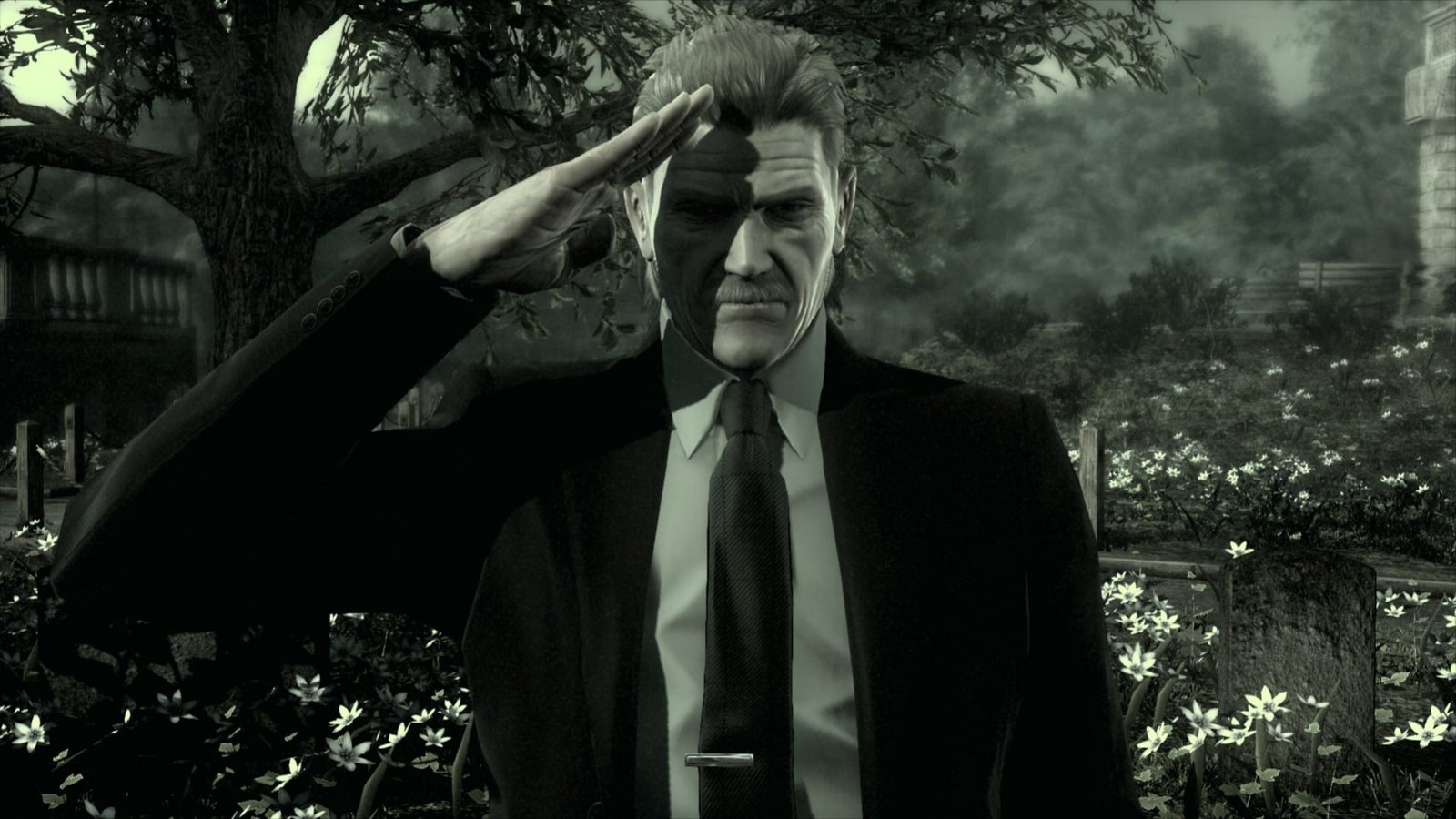
“War has changed.” These words open Metal Gear Solid 4: Guns of the Patriots, spoken by Old Snake; series protagonist for most of the franchise since the original Metal Gear released in 1987 for the MSX2. And he’s right; war has changed, not only in this now alternate-futuristic 2014 in which the game is set, but in the reality of 2026. The increasing use of drones, the war economy, so many concepts explored in Metal Gear have become fully reality, and while we’re not quite at nanomachines yet, we certainly have got the potential for AI’s to run amok if the tech billionaires get their way.
MGS4: Guns of the Patriots released originally, as a PlayStation 3 exclusive, in June 2008. Until today, it never received a single port to another console or system. People blamed the technical limitations of the PS3 hardware, but it languished without any official releases for a solid 18 years. Finally, Konami have delivered the Metal Gear Solid Master Collection Vol. 2, following on from Vol. 1 back in 2023. This collection contains not only Guns of the Patriots, but also Metal Gear Solid: Peace Walker, originally a PSP game from 2010 which got an HD Edition update for the PS3/Xbox 360 in 2011, as well as Metal Gear: Ghost Babel, previously entirely exclusive to the Game Boy Color and released way back in 2000. While containing fewer games than Vol. 1 overall, Vol. 2 brings three titles which have been extremely difficult or impossible to play outside of their original releases.
Starting off with the main attraction of the collection, Guns of the Patriots. This was a technical marvel when it was released on PlayStation 3 (and required an extremely lengthy install process which involved watching a very slow loading bar while Old Snake smoked a cigarette, something Giant Bomb memorably spoofed). It looked incredible for the era, but struggled to run at a stable 30fps. For the most part, this is a very straight and proficient port of Guns of the Patriots, with Konami effectively giving a higher resolution version of the PS3 experience, but with modernized controls including mouse and keyboard as well as a locked and smooth 60fps. There are no advanced graphics options, no anti-aliasing except FXAA, nothing else except screen resolution and generic quality settings. It does however run flawlessly and with much shorter loading times than previously.
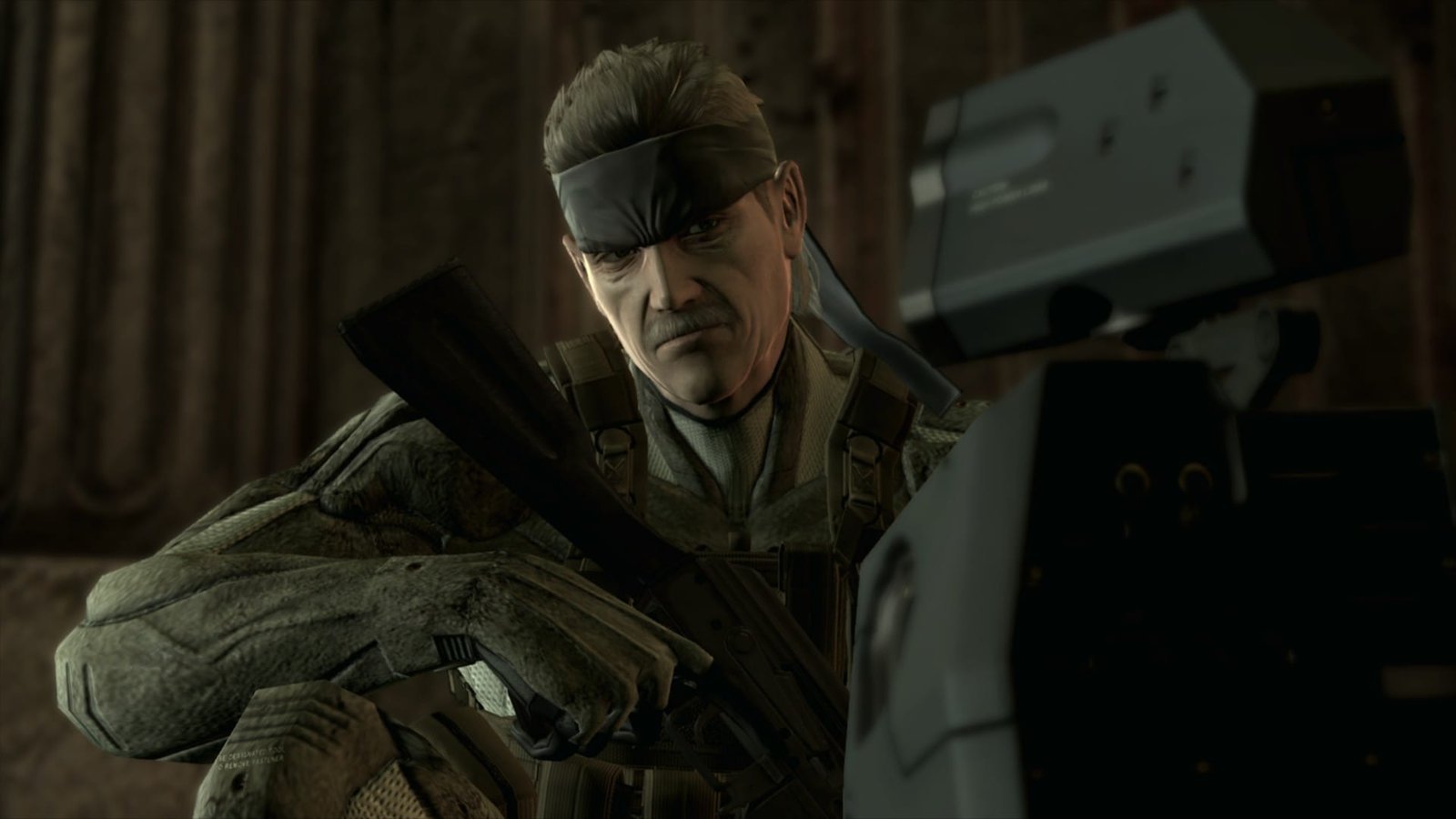
Also encouragingly, almost all of the branded or sponsored content has been retained; Snake still has access to his Apple iPod, there are Playboy branded magazines for him to find, while the PC and Xbox versions retain the appearances of the PS3 and PSP (these have been removed from the Nintendo Switch version due to Nintendo’s insistence that no competitor products can appear in Switch games). The game also contains the Metal Gear Solid 4 Database, which was a standalone application on the PS3, and is now bundled into it. The database is essentially an encyclopedia of the entire franchise lore up to the release of MGS4, and hasn’t been amended or updated to take into account the developments (and retcons) of Peace Walker, Metal Gear Solid V: The Phantom Pain, or Metal Gear Rising: Revengeance.
Guns of the Patriots is extremely linear and extremely cutscene heavy (indeed it still holds the Guinness World Record for the longest cutscenes), but when the game does let you play it, it’s a very enjoyable stealth shooter which feels like an evolution on MGS3: Snake Eater while also being a turning point in the series towards of some of the concepts which would appear in the open world missions of The Phantom Pain. Snake’s optic camo allows him to dynamically blend in with the environment, and he has a variety of gadgets and tools allowing him to both sneak around enemies but also take them head on. However, killing too many people damages Snake’s psyche, causing him to vomit and lose health if you stress him too much. The story is absolutely the stand out aspect here as it is absolutely bonkers, but perhaps one of the best written of Hideo Kojima’s output.
Next up, MGS: Peace Walker is almost like a prototype of The Phantom Pain in some respects. The Master Collection version is a re-release with slight tweaks of the Bluepoint Games HD Collection version from 2011. The main differences are the comic book style cutscenes have been up-rezzed to make them sharper (whether any kind of AI upscaling was used as part of this process hasn’t been disclosed), and of course the new controls for PC and consoles. You can still choose to view the original grainy cutscenes from the PSP if you wish, as well as adjust some additional resolution options. The controller as well as mouse and keyboard control mapping works well and the in-game instructions have also been updated to take this into account depending on which you’ve selected (the soldier during the opening tutorial referring to your mouse for example).
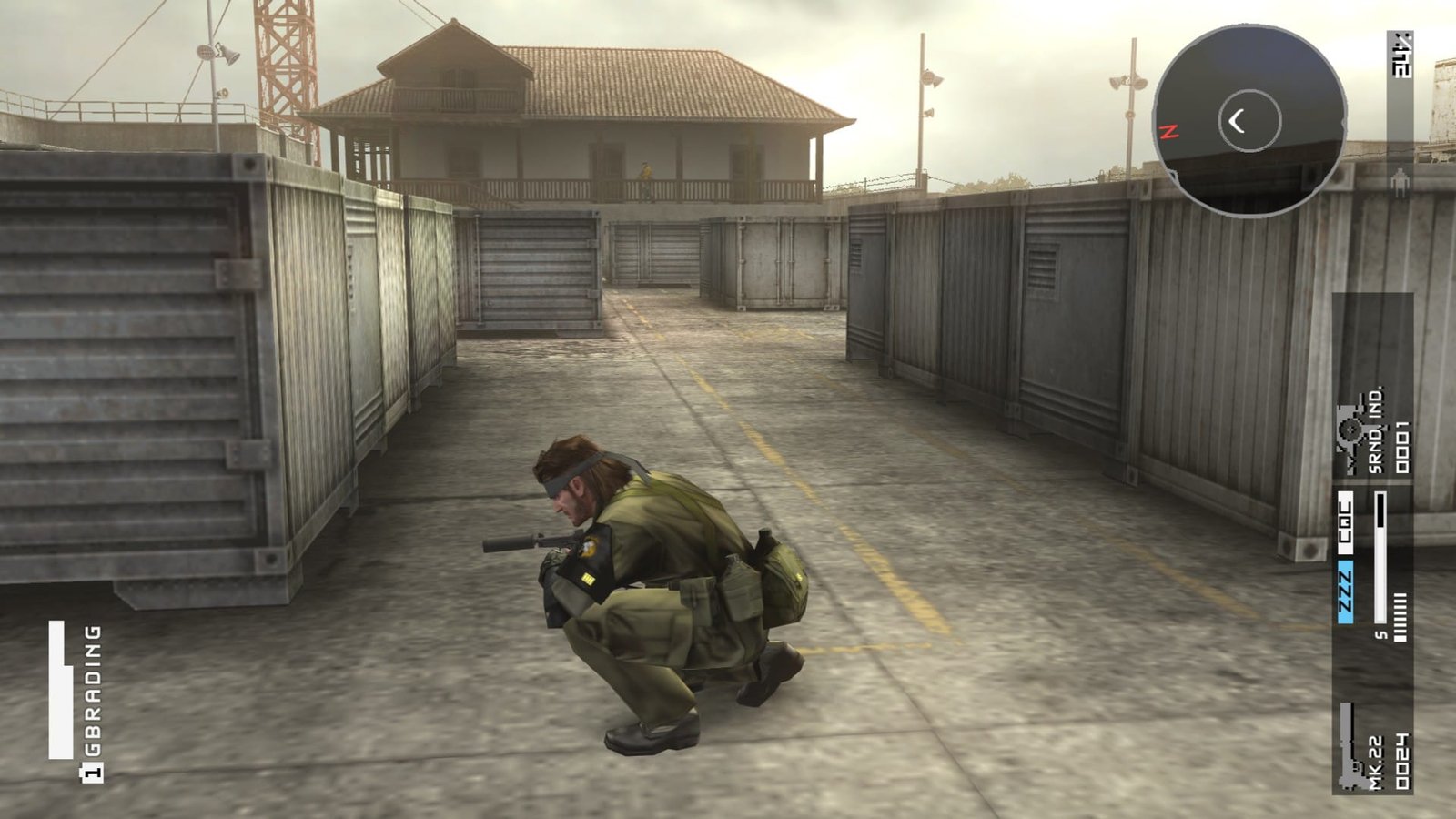
Many elements of Peace Walker will be very familiar to players of The Phantom Pain; you can manage Mother Base in a similar way, assigning people to the R&D or Combat team in order to research new equipment. Likewise, you can use the Fulton Recovery System to extract soldiers from the battlefield and forcibly induct them into Militaries Sans Frontières (Big Boss’s army without a country). Due to its original portable nature, Peace Walker is more bitesize in nature with smaller missions but that format does lend itself to getting into a good rhythm of going on missions, extracting equipment, resources and personnel, and slowly upgrading Mother Base. The story is also arguably one of the most political of the franchise, using various real world conflicts including the Nicaraguan Revolution and the Cold War more broadly, and acts as a prequel to Metal Gear Solid V: Ground Zeroes.
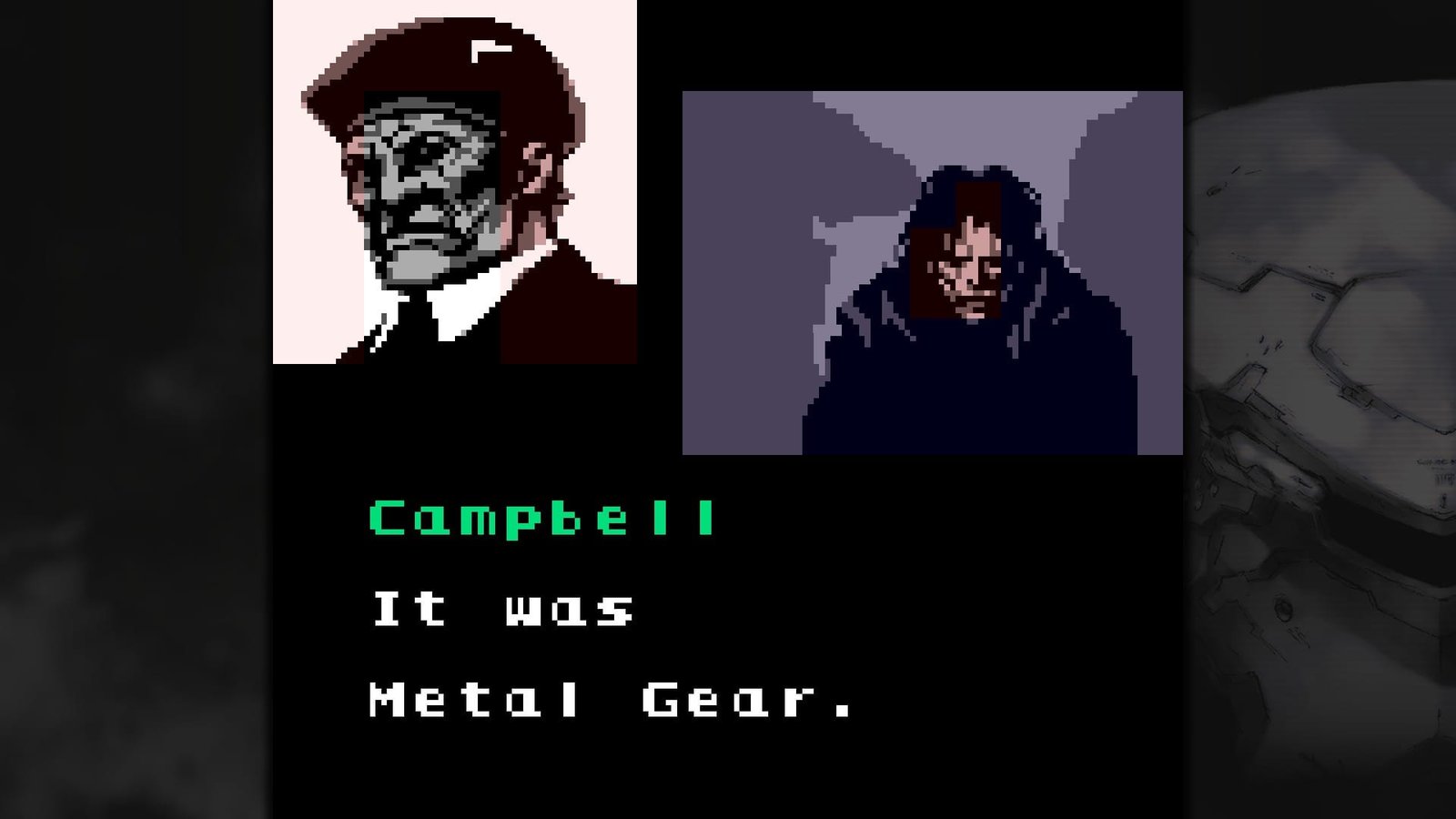
Finally we have Metal Gear: Ghost Babel, which was originally advertised as simply the Game Boy Color version of Metal Gear Solid in some territories. This is a game in the style of Metal Gear original and Metal Gear 2: Solid Snake from the MSX2, being a top down action-adventure game played from an isometric, 2D perspective. It is technically non-canonical since it takes place seven years after Metal Gear 2, but ignores the events of Metal Gear Solid. In it, Solid Snake is tasked with infiltrating the fortress of Galuade, built on the ruins of the original Outer Heaven, to stop the Gindra Liberation Front (GLF) and their leader Augustine Eguabon from acquiring a Metal Gear.
Gameplay is extremely similar to the old Metal Gear games but does incorporate some changes inspired by Metal Gear Solid. Rather than having static screens, the camera does now track Snake around environments before reaching a transition, and characters can move in eight directions rather than just compass points. Likewise Snake has the ability to flatten himself against walls to enhance stealth, as well as tap on walls to lure over guards. The Master Collection version has some nice enhancements such as the ability to rewind gameplay (if you’ve made a stupid mistake) as well as plenty of visual filters including a pixel perfect mode which emulates the Game Boy Color display more accurately, as well as a choice of wallpapers to display either side of the 4:3 gameplay window.
It might have fewer titles than Vol. 1, but Metal Gear Solid Master Collection Vol. 2 is a lot more polished out of the gate and is historically important for freeing both Guns of the Patriots and Ghost Babel from their years of isolation locked on their respective release systems. Guns of the Patriots in particular now gets a chance to be remembered by new generations as a key part of the Metal Gear franchise and one of Hideo Kojima’s most unique entries in his oeuvre. If there is going to be a Master Collection Vol. 3, you’d hope it would include not only a complete version of MGSV: The Phantom Pain with Ground Zeroes incorporated, but also releases of the leftovers of the franchise, specifically Metal Gear Solid: Portable Ops (another PSP title), as well as Revengeance and I guess might as well throw in Metal Gear Survive for completionists. The Metal Gear series continues to be one of the most unique, strange and memorable franchises in video game history.