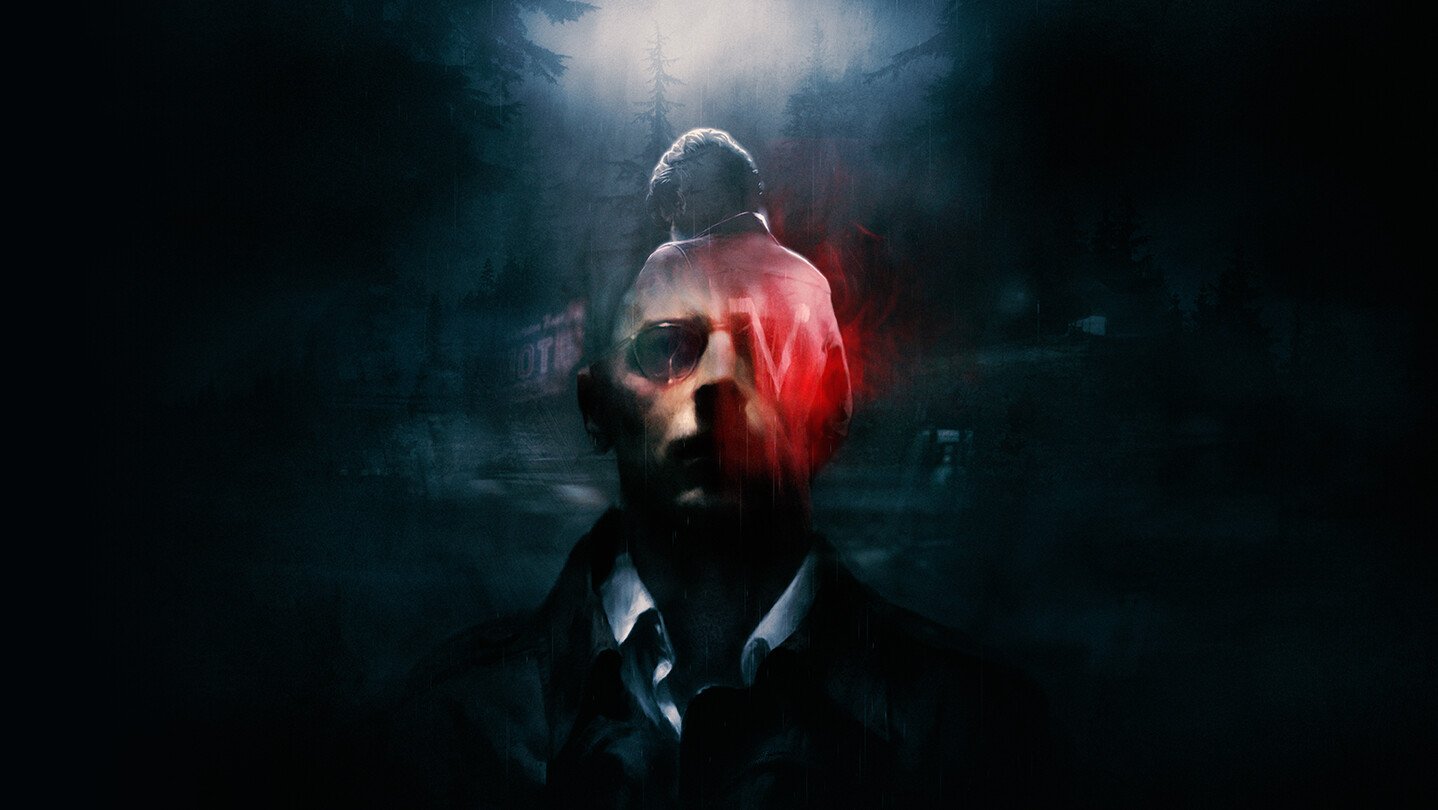
Microids have been the custodian of all things Agatha Christie in the video game space since The ABC Murders in 2016. There have been several more games since then, most recently a new version of Murder on the Orient Express, perhaps Christie’s most famous work, released in 2023. Now, they’ve turned their attention to Death on the Nile, which like both the 1978 and 2022 feature films, acts as a direct sequel to Murder on the Orient Express. The same visual design of the famous moustachioed Belgian detective, Hercule Poirot, is used as appeared in the previous game, although newly voiced by different performers. This game also introduces another protagonist created especially for the story; private detective Jane Royce.
The game updates the time period of the novel from the 1930s to the 1970s. The opening prologue investigation takes place at a London nightclub, before moving to Egypt and the familiar surroundings of the river ship Karnak later in the game. Broadly, the same characters that appeared in the novel and the film adaptations have been re-used, although some additional ones have been introduced and various things switched around. Poirot is also a bit more debonair than usual, being tall and slim rather than short and corpulent and having none of his eccentricities. Unless you’re an Agatha Christie aficionado, you’re likely to not see which way the story is going and be able to enjoy the investigation of uncovering various crimes, from a missing emerald ring, all the way to murder.

The gameplay is essentially the process of conducting an investigation, by navigating around various environments (in full 3D, free roam), talking to characters, and investigating crime scenes. There are also a variety of puzzles, some of which feel rather contrived and overly complicated. Early in the game, the number of things wrong with a jukebox at the hotel where Poirot was staying was rather perplexing, and solving it felt like busywork. By talking to people, asking questions, overhearing conversations, and examining clues, you’ll gradually start to uncover more and more of the “Mind Map”, the visual representation of the entire case, as a spider diagram. From this, you’ll occasionally get various deductions to make, based on the information you’ve gathered.
These all have a definitive correct answer; you can’t go accusing the wrong person, and the story only has one outcome. Nonetheless, finding all the relevant information, and then making the connections within the Mind Map is satisfying, although depending on your gameplay difficulty you may be left wondering exactly what you should be doing next, when all areas of the existing map appear to be filled out, and there isn’t a clear indication of what you need to do to complete it. None of the environments are particularly huge, but unfortunately Poirot’s default movement speed is a casual stroll, and the “fast” speed only increases to a brisk walk.
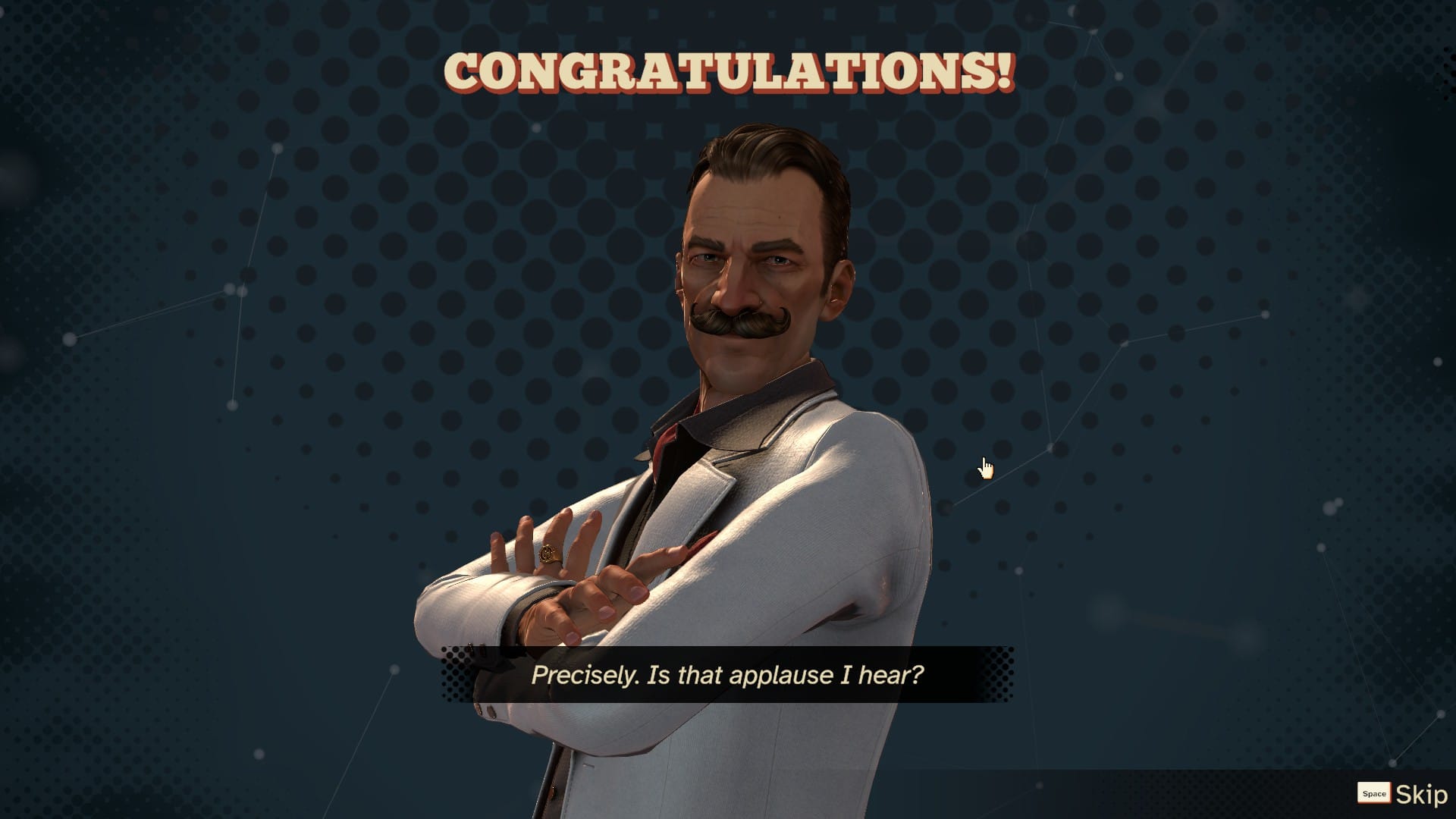
Often, someone you’ve previously talked to will get new questions to ask them after you’ve learned more elsewhere, meaning you’ll need to re-interrogate them. Once you think you’ve deduced the sequence of a crime, you get to run through it in a timeline, placing characters and events in the correct locations and at the correct times. This is quite intuitive and feels almost like you’re inside Poirot’s mind, watching his “little grey cells” at work. Voice acting is good across the board, and you will need to refer to the history of conversations, which is handily accessible via a menu.
Another minor aspect I liked was filling in the character roster; the game doesn’t outright tell you which character is which, leaving you to fill in their character profile yourself with their name, occupation, any relatives or connections they have, as well as their secret, if known. If you get this all correct, you’ll get a little checkmark next to them, rather like Return of the Obra Dinn. You’ll often have to be cross-checking what different characters have said in order to spot inconsistencies, and maybe even catch the person in a lie. This mechanic is very similar to the accusations in L.A. Noire, although normally far less dramatic.
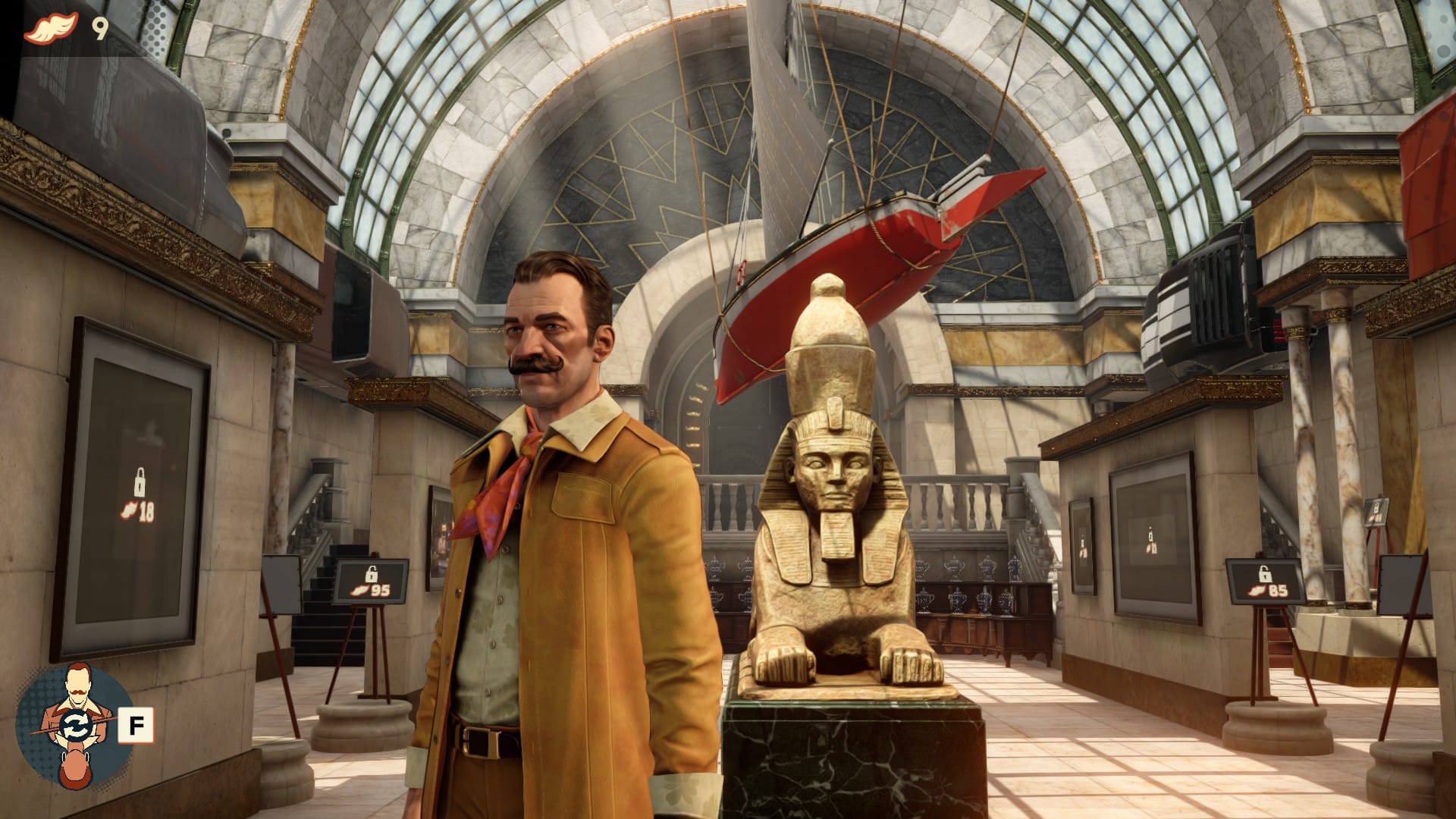
Visually I found the game rather underwhelming; everything tends to look rather flat and lifeless, with minimally detailed environments, like a mobile game. It reminded me quite a bit of the Carmen Sandiego title from earlier this year, as it seems like it was designed primarily with mobiles in mind given its very large font interface. It’s not a terrible looking game but it merely does the job. The music is good though, a mixture of cool jazz and some appropriately 70s-esque disco, as well as other tunes. Alongside solving crimes, all the locations have the side task a number of hidden golden moustaches to find, which allow you to unlock various bits of concept art via the in-game museum.
Agatha Christie – Death on the Nile certainly isn’t bad, but it feels quite by-the-numbers. Despite being updated to be set in the 1970s, the setting doesn’t really feel like it is taken advantage of, and while it’s cool to play as Jane who is investigating a parallel mystery, it always feels like the B plot compared to whatever is going on with Poirot. The Poirot sections stick more closely to the plot of the novel however, so with the Royce segments, you are at least uncovering a brand new mystery. Still, this is another decent instalment into the pantheon of Agatha Christie video game adaptations, and if you enjoyed 2023’s Murder on the Orient Express, this will absolutely scratch the same itch.